Keeping you up to date on news, events and what’s happening at ESG…
UK Energy Renewables & Smart Grid Glossary
Dec 3, 2025
The push for Net Zero is the cornerstone of regulations and innovation in the UK Energy sector, and renewables and the smart grid are essential for reaching this goal. Terminology around these aspects is constantly evolving, which is why we’ve compiled a handy glossary for energy suppliers.
You can discover more glossaries on technical terms in the UK Energy Sector here:
The market for renewable energy technologies is one of the fastest growing in the world, and it’s projected to be valued globally at over £2 trillion by 2030. It’s rapidly evolving, and highly technical, making it essential for energy suppliers to stay on top of the various terminologies associated with it.
Anaerobic Digestion (AD): A biological process where microorganisms break down organic material (such as food, agricultural waste or plant matter) without oxygen, producing biogas (mainly methane) that can be used as fuel and digestate that can then be used as biofertilizer.
Biomass: Organic material (e.g. wood, plant matter, agricultural residues, waste) used as fuel to produce energy. Sustainable biomass is considered renewable as the CO₂ released on combustion is roughly balanced by CO₂ absorbed during growth.
Blue Hydrogen: Hydrogen produced from natural gas (methane) using steam methane reforming, with carbon capture and storage to capture CO₂ emissions. It offers lower emissions than conventional “grey” hydrogen but relies on fossil fuel feedstocks.
Geothermal Energy: Energy harnessed from heat in the Earth’s subsurface for electricity generation or heating. In the UK context this refers mainly to low-enthalpy systems (e.g. ground-source heat pumps) using subterranean heat.
Green Hydrogen: Hydrogen produced by electrolysis of water using renewable electricity. No CO₂ is emitted from electrolysis, making green hydrogen a low-carbon fuel suitable for energy storage, transport fuel and industrial heat.
Hydropower (Hydroelectricity): Electricity generated by harnessing the energy of flowing or falling water. In the UK this includes river (run-of-river) hydro and pumped-storage hydro plants.
Offshore Wind: Wind power generated by turbines sited at sea. Offshore winds are generally stronger and more consistent than onshore, yielding high electricity output from offshore wind farms.
Onshore Wind: Wind power generated by turbines installed on land, converting kinetic wind energy directly into electricity.
Pumped-Storage Hydroelectricity: A large-scale energy storage method using two reservoirs at different heights. When surplus power is available, water is pumped to the upper reservoir. During high demand the water is released down through turbines to generate electricity.
Solar Photovoltaic (PV): Panels or arrays that convert sunlight directly into electricity. Solar PV is an abundant source of clean energy in the UK, installed on rooftops or ground-mounted, and is often supported by government contracts (e.g. FiTs, CfDs).
Tidal Energy: Electricity generated by harnessing the kinetic energy of rising and falling sea tides. Tidal turbines or barrages use the predictable tidal movements to produce power.
Wave Energy: Power derived from the energy of surface waves on the ocean. Specialised converters or buoys capture wave motion to generate electricity.
Grid Infrastructure
Net Zero and renewable energy depend on smart grids, and smart grids rely on sophisticated infrastructure. Understanding the complexities and technical terms is important for energy suppliers to succeed in the future.
Balancing Mechanism (BM): The real-time market used by the system operator to balance supply and demand in each half-hour period. National Grid ESO can instruct generators or consumers to increase or decrease output to maintain grid stability.
Distribution System Operator (DSO) / Distribution Network Operator (DNO): The companies responsible for managing and maintaining the lower-voltage electricity network that delivers power to homes and businesses. The DNO/DSO connects these local networks to the high-voltage transmission grid.
Electricity System Operator (ESO): An independent entity (formerly National Grid ESO, now NESO) responsible for operating Great Britain’s electricity transmission network. The ESO balances generation and demand second-by-second to keep the grid stable.
High-Voltage Transmission Network: The bulk-power network of overhead lines, cables and substations operated by National Grid Electricity Transmission. It transports electricity from generators (including renewables like windfarms) across regions in England and Wales before stepping it down to distribution networks.
Interconnector: A high-voltage land or subsea cable linking the UK’s electricity grid to another country’s grid. Interconnectors (e.g. to France, Netherlands, Ireland) enable cross-border energy trade, imports, exports and help balance supply and demand between markets.
Regulation and Policy
To achieve net zero, the UK Government is constantly evolving and developing its regulatory policies to encourage and support energy suppliers in achieving these goals. Modern energy suppliers must be aware of the terms used in these regulations to achieve compliance.
BEIS / Department for Energy Security and Net Zero (DESNZ): The UK government department responsible for energy policy. DESNZ (formerly BEIS) leads on energy security, green growth and achieving the UK’s net-zero goals.
Carbon Budgets: Legally binding five-year limits on total UK greenhouse gas emissions, set under the Climate Change Act. Each budget is designed to cumulatively keep the UK on track for its mid-century net-zero target.
Carbon Price Support (CPS) : An additional tax on CO₂ emissions from fossil-fuel power generation in the UK. Introduced in 2013, CPS raises the effective carbon price (floor price) to discourage coal and gas use and accelerate clean generation.
Capacity Market: A government scheme introduced in 2014 to ensure security of electricity supply. It pays generators (and demand-side providers) to be available to deliver or reduce power during peak demand, guaranteeing reliable capacity years ahead.
Climate Change Act 2008: UK law that commits the government to reduce net greenhouse gas emissions via carbon budgets. Originally targeting an 80% cut by 2050 (from 1990 levels), it was amended in 2019 to a 100% (net-zero) target by 2050.
Contracts for Difference (CfD): A subsidy mechanism for low-carbon electricity. Generators bid for a fixed “strike price” in competitive auctions; when market prices are below strike, the government pays the difference, guaranteeing predictable revenue to encourage investment.
Energy Company Obligation (ECO): A UK social-and-environmental scheme requiring major energy suppliers to fund energy efficiency and heating improvements for low-income or vulnerable households, thereby reducing fuel poverty and emissions.
Feed-in Tariff (FiT): A support mechanism that paid small-scale renewable generators a guaranteed above-market price for electricity over a long term. The UK FiT (closed to new applicants in 2019) ensured cost-covering returns to stimulate micro-renewable installations.
Net Zero (2050) Target: The UK government’s legally binding commitment to reduce all greenhouse gas emissions to net zero by 2050 (meaning any remaining emissions are offset by removals), as an extension of the Climate Change Act targets.
Ofgem: The Office of Gas and Electricity Markets, which regulates the UK’s gas and electricity sectors. Ofgem oversees market rules, network operators, consumer protection and sustainable energy goals, acting as the energy regulator for Great Britain.
Renewable Energy Guarantees of Origin (REGO): Certificates issued by Ofgem to renewable generators for each MWh produced. REGOs serve as proof that supplied electricity comes from renewable sources, supporting “green” claims by suppliers and business consumers.
Renewable Heat Incentive (RHI): A (now-closed) government scheme paying households and businesses for generating heat from renewable sources (e.g. heat pumps, biomass boilers). RHI encouraged uptake of renewables in heat, analogous to electricity FiTs.
Renewables Obligation (RO): A legacy UK requirement that obligated electricity suppliers to source increasing proportions from eligible renewables. Suppliers proved compliance via Renewable Obligation Certificates (ROCs) or paid a buy-out. The scheme ran 2002–2017 (closed to new capacity).
Smart Export Guarantee (SEG): A UK program (introduced 2020) mandating that large energy suppliers pay small generators (e.g. homes with solar PV) for surplus electricity exported to the grid. SEG tariffs remunerate renewable microgenerators for exported power.
UK Emissions Trading Scheme (UK ETS): A cap-and-trade system for carbon emissions covering energy-intensive industries, power generators and aviation (intra-EU flights). Launched in 2021 to replace the EU ETS after Brexit, it caps total emissions and lets companies trade allowances to cost-effectively meet the cap.
Sustainability Metrics
Sustainable energy requires distinct metrics to gauge success in reaching net zero.
Carbon Dioxide Equivalent (CO₂e): A unit expressing the warming impact of different greenhouse gases as an equivalent amount of CO₂. For example, methane has a higher global warming potential, so its emissions are often reported in “CO₂e” terms.
Carbon Intensity (of Electricity): The amount of CO₂ emitted per unit of electricity generated or consumed. In the UK, this is typically measured in grams of CO₂ per kWh, and it can vary hour-by-hour with the generation mix.
Levelised Cost of Energy (LCOE): The lifetime average cost per unit of electricity generated by a plant, accounting for all capital, fuel and operating expenses (discounted over the lifetime). LCOE allows comparison of different technologies’ costs, independent of when they operate.
Scope 1, 2 and 3 Emissions: Categories from the GHG Protocol used in corporate reporting. Scope 1 covers direct emissions from sources owned/controlled by a company (e.g. fuel combustion on-site). Scope 2 covers indirect emissions from purchased electricity or heat used by the company. Scope 3 includes all other indirect emissions in the value chain (suppliers, transport, product use, disposal).
Digitalisation & Innovation
Achieving renewable energy goals relies largely on creating greater efficiencies, and this is partly driven by the removal of manual processes and digitalisation innovations.
Demand Side Response (DSR): A set of mechanisms that allow electricity consumers (or generators) to adjust their consumption or production in response to grid signals (e.g. high prices or grid constraints). By reducing or shifting demand (or exporting power), DSR helps balance supply and demand and earns incentives.
Energy Flexibility: The ability of a site (generation or load) to vary its electricity usage or output over time. Ofgem defines flexibility as how and when energy consumption or generation can be adjusted to help ensure supply and demand are balanced. Flexible assets (batteries, shifting loads, etc.) provide these system benefits.
Smart Grid: An electricity network enhanced with digital monitoring, control and communication technologies. Smart grids allow real-time data collection and automated management of generation and demand, improving efficiency and integration of renewables.
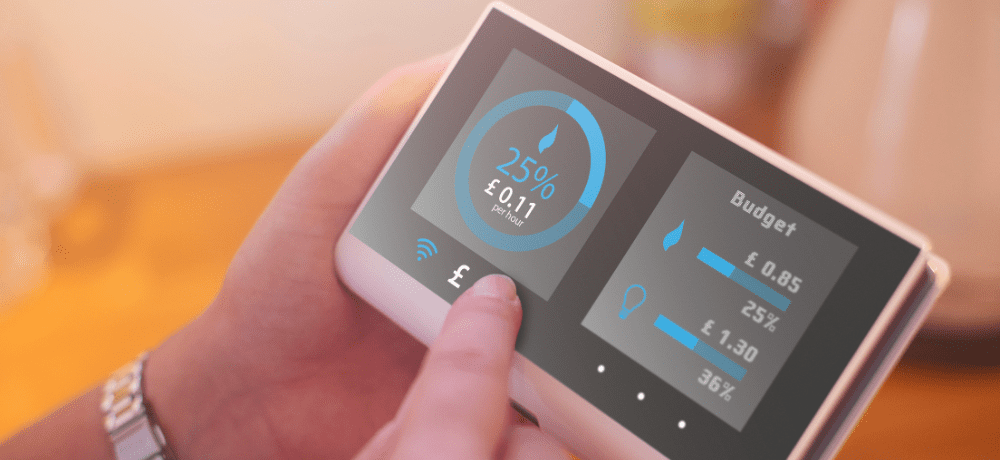
Smart Meter: A digital energy meter that automatically records and transmits electricity (and gas) consumption data to the supplier. Smart meters enable accurate, near real-time billing and give consumers in-home displays to track and reduce energy use.
Time-of-Use (ToU) Tariff: An electricity pricing scheme where the cost per kWh varies by time of day (typically higher during peak periods and lower off-peak). ToU tariffs incentivise consumers to shift usage to times of cheaper, cleaner electricity.
Vehicle-to-Grid (V2G): A technology enabling electric vehicles to feed stored energy back into the grid or adjust charging in response to grid needs. In V2G, plug-in EVs act as mobile energy storage, providing demand response services by supplying power at peak times or absorbing excess supply.
Virtual Power Plant (VPP): An integrated system that aggregates many distributed energy resources (e.g. solar panels, batteries, CHP, controllable loads) and manages them collectively via a central control. A VPP optimises these assets in real time, allowing small generators and flexible consumers to participate in energy markets as if they were a single large plant.
Want to find out how ESG can help you manage all things related to Renewables & Smart Grids?