Keeping you up to date on news, events and what’s happening at ESG…
UK Energy Assets & Infrastructure Glossary
Dec 2, 2025
Assets and infrastructure can be some of the most complex aspects of the UK energy sector. A lot of the complexity comes from the various technical terminology that’s constantly evolving and changing. We’ve compiled a glossary of terms related to all aspects of assets and infrastructure that energy suppliers need to understand.
You can discover more glossaries on technical terms in the UK Energy Sector here:
Renewable energy assets are critical to the goal of sustainable energy. This means it’s essential for UK energy suppliers to understand the terminology around them in order to comply with sustainability regulations.
Anaerobic Digestion Plant: A facility that decomposes organic waste (e.g. crop residues or manure) in an oxygen-free environment to produce biogas (a mixture of methane and carbon dioxide) and digestate. The biogas can be used to generate electricity or heat, while the digestate is used as a biofertiliser. UK electricity from anaerobic digestion is considered a renewable energy source.
Biomass Power Plant: An installation that burns biological materials (wood chips, crop waste, energy crops or other organic matter) to produce heat and electricity. Modern biomass plants often co-fire (mix) biomass with coal or use specially designed boilers; although biomass emits CO₂, it is counted as renewable because new plants regrow and reabsorb carbon.
Geothermal Power Plant: A power station that generates electricity by using steam or hot water produced from heat stored beneath the Earth’s surface. This is currently very limited in the UK, where this resource is mostly small-scale.
Hydroelectric Power Station: A plant that converts the energy of flowing or falling water into electricity using turbines and generators. Typically built at dams or through river flow, hydro plants produce renewable energy when water flows from a higher elevation to a lower one.
Offshore Wind Turbine: A wind turbine installed in the ocean (e.g. on fixed or floating foundations) to harness strong, consistent marine winds. Offshore turbines work like onshore ones but often produce more power due to higher wind speeds at sea.
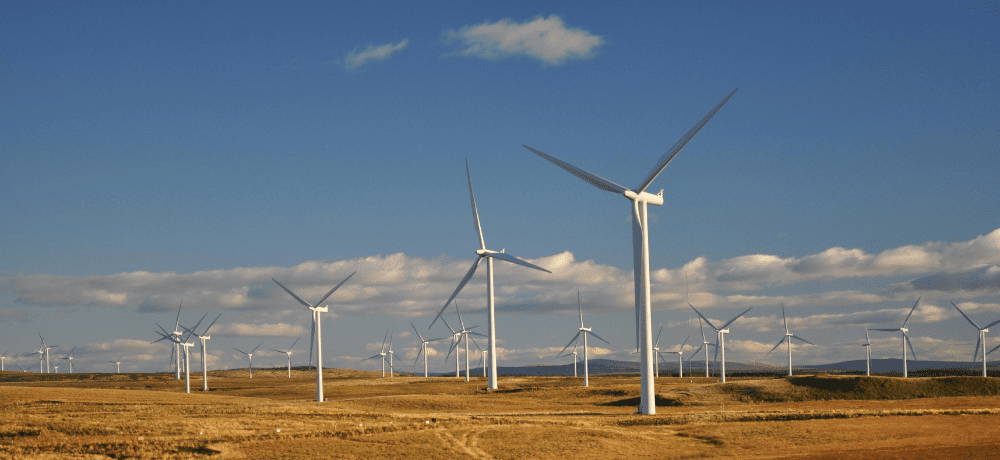
Onshore Wind Turbine: A wind turbine located on land that converts the kinetic energy of wind into electricity. They’re often clustered into onshore wind farms.
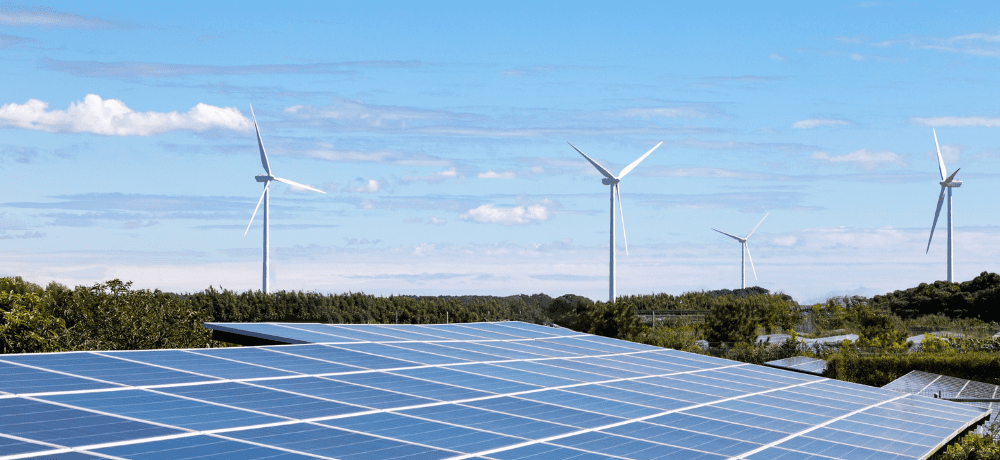
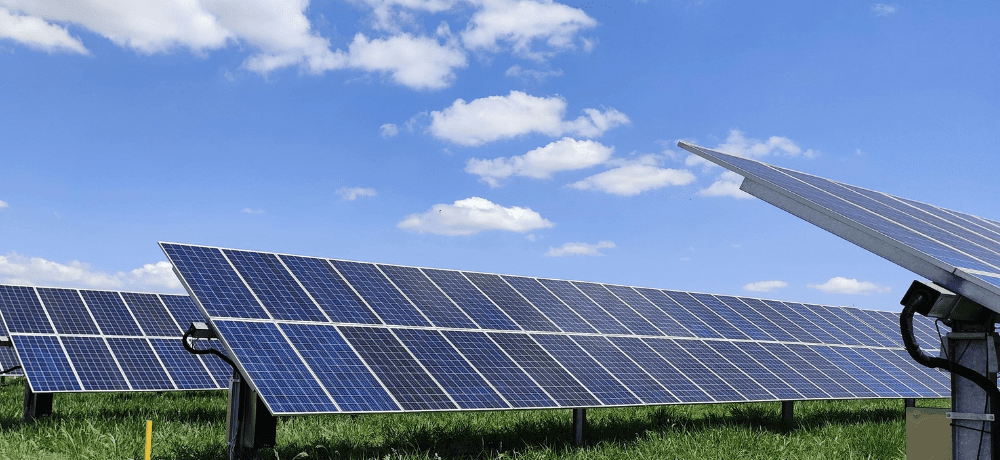
Solar Photovoltaic (PV) Panel: A device made of semiconductor cells that converts sunlight directly into electricity. Solar PV arrays are widely used on rooftops and solar farms. The UK has many PV installations despite relatively modest sunlight.
Tidal Energy (Tidal Power): Energy harnessed from the rise and fall of ocean tides. Typically captured by underwater turbines (tidal stream generators) or tidal barrages, tidal energy is predictable and renewable. Tidal power is still in early stages globally, with potential sites around the UK.
Wave Energy Converter (WEC): A device that captures energy from ocean surface waves and converts it into electricity. WECs can be floating or near-shore machines (e.g. oscillating buoys or columns) that exploit the motion of waves. UK projects (like the Islay LIMPET) have demonstrated small-scale wave power.
Energy Storage Systems
Energy storage is extremely important in enabling suppliers to service their customers’ energy demands. There are a lot of different technologies that underpin energy storage, and understanding them is important for UK energy suppliers.
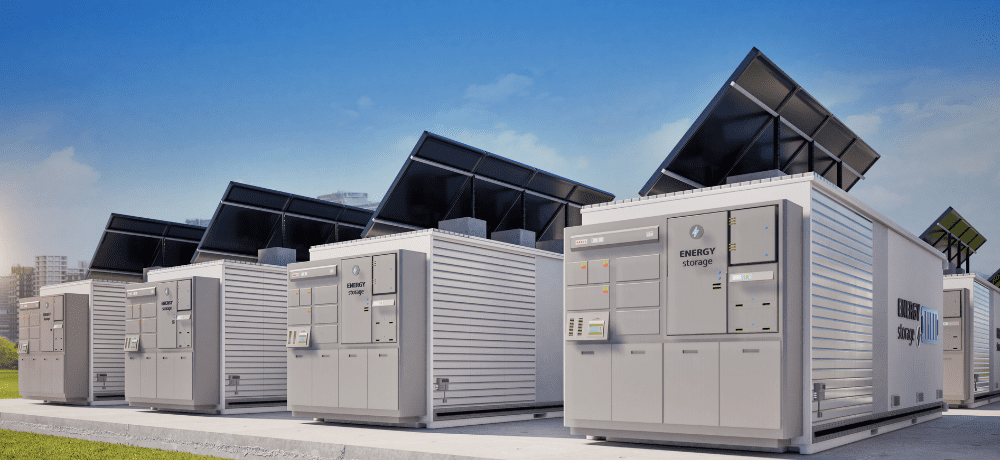
Battery Energy Storage System (BESS): A grid-scale system using a bank of rechargeable batteries to store electricity for later use. BESS installations can respond within seconds to changes in demand or supply, providing ancillary services like frequency control. They are the fastest-responding dispatchable resource on the grid.
Compressed Air Energy Storage (CAES): A system that stores electricity by using it to compress air into underground caverns or tanks, then releases the pressurised air to drive a turbine and generate power when needed. CAES effectively acts like a large battery, storing energy from the grid for peak use. This is currently an emerging technology with few commercial installations to date.
Pumped-Storage Hydroelectricity (PSH): An energy storage scheme consisting of two water reservoirs at different elevations. When excess power is available, water is pumped to the upper reservoir; during high demand, water flows back down through turbines to produce electricity, functioning like a large grid battery. PSH is widely deployed in the UK (e.g., Dinorwig) and worldwide, accounting for most utility-scale storage.
Grid Infrastructure
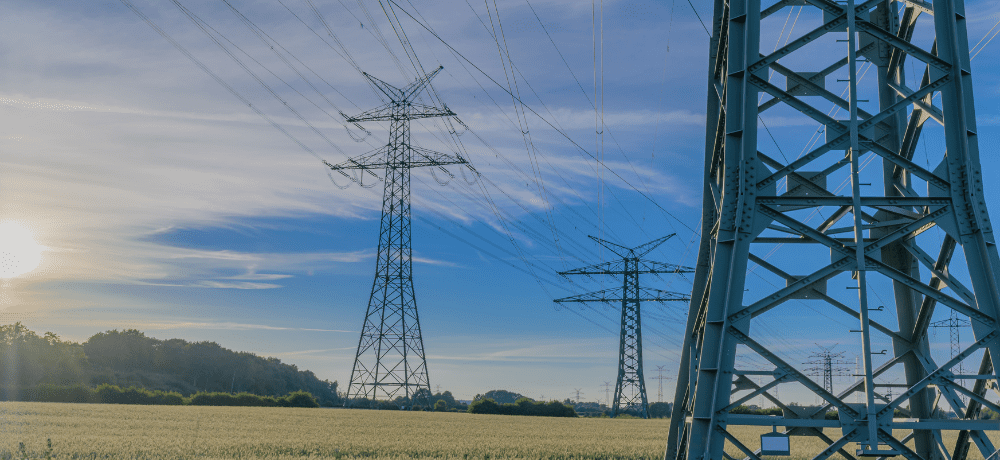
Grid infrastructure is perhaps the most important piece of infrastructure in modern society. Understanding the various terms around it is critical for UK energy suppliers.
Distribution Network Operator (DNO): A company licensed to operate the regional electricity distribution network. DNOs manage the medium- and low-voltage wires that deliver power from the transmission grid to homes and businesses. Each UK region has a DNO (e.g. UK Power Networks) which are distinct from the transmission operator.
Distribution System Operator (DSO): Often used interchangeably with DNO, a DSO manages the distribution grid and increasingly coordinates distributed generation, flexibility services and smart grid functions. In practice, UK DNOs are evolving towards DSO roles.
Electricity Interconnector: A high-voltage cable (AC or HVDC) linking the UK’s electricity grid with neighbouring countries, allowing cross-border power trade. For example, the UK has interconnectors to France, the Netherlands, and Ireland. Such links increase security of supply and can import renewable power when needed.
Electricity Substation: A facility in the power system containing transformers and switchgear, used to change voltage levels or reroute electricity. Substations step up generator voltage for transmission or step it down for distribution. They are critical nodes where high-voltage transmission meets lower-voltage local networks.
SCADA (Supervisory Control and Data Acquisition): A computerised control system used by grid operators to monitor and control infrastructure in real time. SCADA systems enable remote monitoring of network equipment (lines, transformers, breakers), quick fault detection, and automated control to maintain grid stability.
Smart Meter: An advanced electricity (or gas) meter that records real-time energy usage and transmits readings to the supplier via secure communications. Smart meters enable time-of-use tariffs and give consumers detailed consumption data; the UK is rolling out smart meters to meet regulatory goals.
Transmission System Operator (TSO): An entity responsible for managing the high-voltage transmission network, transporting bulk electricity from generators to distribution networks and large industrial users. In Great Britain, the Transmission System Operator (National Grid ESO) balances supply and demand and operates the grid. TSOs (or “transmission operators”) ensure efficient, continuous energy flow and maintain system frequency.
Transformer: An electrical device in substations that steps voltage up or down via electromagnetic induction. Transmission lines operate at very high voltages to reduce losses, so transformers at substations adjust these voltages up for long-distance transmission or down for local distribution.
Oil & Gas Infrastructure
Oil & gas have unique peculiarities and terminologies that show how they differentiate from electricity supply.
Compressed Natural Gas (CNG): Natural gas stored at high pressure (around 200–250 bar) in cylinders or tanks. CNG is used as a clean fuel alternative (e.g. in vehicles or as a backup power source) and for small-scale gas grids. It avoids the need for liquefaction and remains gaseous at ambient temperature.
Decommissioning: The process of retiring, dismantling and cleaning up oil, gas, or energy infrastructure (e.g. offshore platforms, pipelines, nuclear plants) at end-of-life. It involves safe removal/disposal of equipment and restoration of sites to mitigate environmental impact. In the UK North Sea context, decommissioning is a major undertaking as old oil/gas platforms and pipes are taken out of service.
Downstream (Oil & Gas): Refers to the sector that takes crude oil or natural gas from processing to consumers. This includes activities like refining crude into fuels, marketing petrol/diesel, and distribution of finished products (e.g. via petrol stations). Downstream companies sell end-products to households, transport, or industry.
Liquefied Natural Gas (LNG): Natural gas (mostly methane) cooled to -162°C so it becomes liquid for shipping or storage. LNG occupies about 1/600th the volume of gas and must be re-gasified at terminals for pipeline injection. The UK has several LNG import terminals (e.g. South Hook, Isle of Grain) enabling global gas trade.
Liquefied Petroleum Gas (LPG): A flammable mixture of light hydrocarbons (mainly propane and butane) stored as liquid under pressure. LPG is derived from petroleum refining or natural gas processing and is commonly used for heating, cooking, and vehicles. In the UK it’s used where natural gas pipelines are unavailable or for automotive fuel (auto-gas).
Midstream (Oil & Gas): The sector involving transportation and storage between production and end use. Midstream assets include pipelines (to move oil/gas), LNG carriers, and storage terminals. For example, the UK’s National Transmission System (gas pipeline network) and oil pipeline networks are midstream infrastructure.
North Sea Transition Authority (NSTA): UK regulator formerly known as the Oil and Gas Authority (OGA). It oversees licensing and regulation of offshore oil and gas exploration, development and production in the UK Continental Shelf. NSTA’s remit includes maximizing recovery of UK hydrocarbons, regulating carbon storage (CCS) and decommissioning offshore assets.
Oil Refinery: An industrial complex that processes crude oil into petroleum products. Refineries use distillation and chemical conversion to produce fuels (petrol, diesel, jet kerosene, heating oil, etc) and petrochemicals. The UK has refineries such as Fawley and Grangemouth that supply domestic fuel markets.
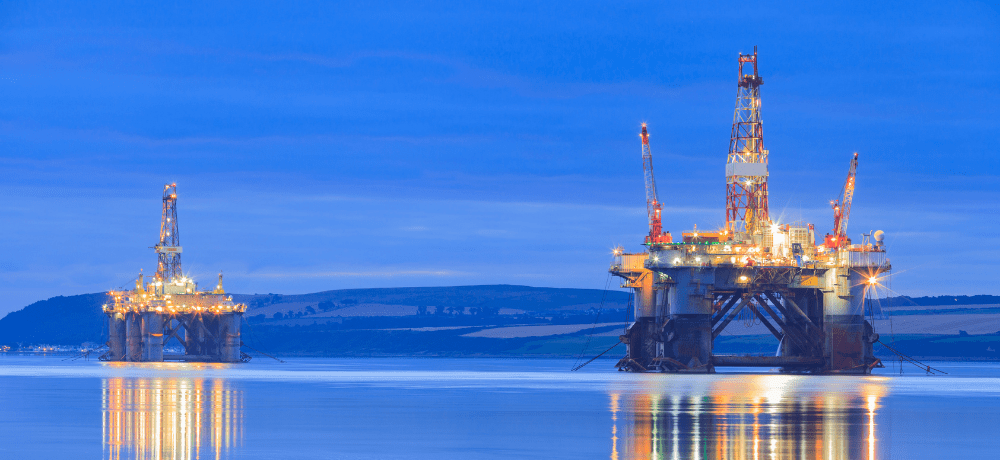
Offshore Platform: A fixed or floating structure in the sea used to extract and process oil or gas from beneath the seabed. Fixed offshore platforms are large structures “fixed” to the seabed, housing drilling rigs and production equipment. The North Sea has many platforms owned by oil companies to tap offshore fields.
Onshore Pipeline: A network of buried pipelines on land for transporting oil or gas. Crude oil pipelines move oil from production fields to refineries, while gas transmission pipelines carry natural gas to processing plants and distribution networks. Onshore pipelines use steel or plastic pipes, often with compressor stations (for gas) to maintain flow.
Upstream (Oil & Gas): The sector involving exploration and production of oil and gas. Upstream companies locate and extract hydrocarbons: identifying reservoirs, drilling wells, and bringing oil/gas to the surface. In the UK context, upstream activities include North Sea drilling projects run by companies like BP, Shell and Equinor.
Power Generation
Power generation is obviously one of the most important aspects of the UK energy sector. The forms of generation are constantly evolving and changing, along with the regulations around them, making it important to understand the terminology around them.
Combined Cycle Gas Turbine (CCGT): A power station that generates electricity through two linked processes. First, natural gas is burned in a gas turbine; then the hot exhaust is used to produce steam that drives a steam turbine. This combined cycle boosts overall efficiency (often over 60%) by extracting more energy from the fuel. CCGT plants (mostly gas-fired) are common in the UK for efficient power generation.
Combined Heat and Power (CHP): Also called cogeneration, this is a plant that simultaneously produces electricity and useful heat from the same fuel source. By capturing waste heat (normally lost in power generation) for district heating or industrial use, CHP greatly improves fuel efficiency. In the UK, CHP is used in factories, hospitals and district heating schemes to provide both power and warm water.
Diesel Generator (DG): A backup or remote power generator that combines a diesel engine with an alternator to produce electricity. Diesel gensets are used where grid power is unavailable or as emergency backup. They range from small portable units to large stationary plants (often with sound attenuation) providing islanded or peak power.
Gas Turbine (Open-Cycle): An electricity generator using a combustion turbine (Brayton cycle) fed by natural gas or liquid fuel. Unlike CCGT, an open-cycle gas turbine does not use the exhaust for steam, so it has lower efficiency but faster start-up. These turbines are often used for peaking power and can ramp up quickly to meet sudden demand.
Nuclear Power Station: A facility that generates electricity through nuclear fission in reactors. UK stations have used advanced gas-cooled reactors (AGR) and one pressurized water reactor (PWR at Sizewell B). Nuclear plants produce base-load power with low operational emissions, and decommissioning and waste management are key issues at end-of-life. Examples in the UK include Hinkley Point, Hartlepool, and Dungeness.
Peaker Plant: A power plant that operates only during periods of highest electricity demand (peak hours). Peaker plants often use quick-start turbines (gas or diesel) to provide extra capacity. Although less efficient and more costly to run than base-load plants, they are crucial for meeting demand spikes and preventing blackouts.
Hydrogen & Carbon Capture
Hydrogen and carbon capture are important aspects of decarbonisation and reducing emissions in energy-intensive industries. Understanding the terminologies is essential to understanding the technologies.
Blue Hydrogen: Hydrogen produced from natural gas (steam-methane reforming or autothermal reforming) where the resulting CO₂ emissions are captured and stored (CCS). Blue hydrogen provides low-carbon fuel for industry or power generation, as the CO₂ is not released into the atmosphere. The UK is developing blue hydrogen projects as a bridge to greener hydrogen.
Carbon Capture and Storage (CCS): A technology to capture carbon dioxide emissions from power plants or industrial processes and inject them into deep underground geological formations for permanent storage. In the UK, CCS is being piloted in projects like Acorn (St Fergus) and Drax BECCS, with the goal of reducing atmospheric CO₂ from fossil fuels or bioenergy.
Carbon Capture, Usage and Storage (CCUS): Similar to CCS but includes the utilisation of captured CO₂ (e.g. for enhanced oil recovery or chemical production) before storage. CCUS is a broader term reflecting both storing and using CO₂. The UK government’s carbon capture initiatives cover both CCS and CCUS as methods to cut emissions.
Electrolyser: A device that uses electricity to split water into hydrogen and oxygen by electrolysis. When powered by renewable electricity, electrolysers produce “green hydrogen” (see below). Large-scale electrolysers are a key part of future hydrogen infrastructure, converting excess renewable power into storable fuel.
Green Hydrogen: Hydrogen produced by electrolysers using renewable electricity (wind or solar) to split water, resulting in zero direct CO₂ emissions. Green hydrogen can be stored or injected into gas networks, and used in heating, transport or industry. The UK is investing in green hydrogen to decarbonise sectors like heavy industry and heat.
Energy Regulation
Energy assets and infrastructure are heavily regulated in the UK, and energy suppliers must understand them all to remain compliant.
Capacity Market: A UK electricity market mechanism that pays generators (and other capacity providers) to be available to meet peak demand. The government auctions “capacity agreements” several years in advance (T-4, T-1 auctions). Winning plants (or demand-side resources) receive payments for ensuring reliable capacity, thus enhancing security of supply.
Contract for Difference (CfD): A UK support scheme (established 2014) that guarantees low-carbon generators a fixed “strike price” for their electricity. If the market price is below this level, the generator receives a top-up payment; if above, they pay back the difference. CfDs provide revenue stability to wind, solar, biomass and nuclear projects, incentivising investment in renewables and allowing them to compete on least-cost basis.
Feed-in Tariff (FiT): A former UK policy (closed in 2019) that paid small-scale renewable generators (e.g. rooftop solar, small wind, hydro) a fixed price for the electricity they produced and exported. FiTs accelerated home and community renewable uptake by guaranteeing above-market rates. The UK FiT scheme ended for new applicants after 2019, replaced by contracts like CfDs.
Ofgem (Office of Gas and Electricity Markets): The UK regulator for electricity and downstream natural gas markets in Great Britain. Ofgem’s duties include licensing network operators, protecting consumer interests, and implementing government energy policy (e.g. incentive schemes). It oversees price controls, grid reliability, and regulatory compliance in the energy sector.
Renewables Obligation (RO): A UK obligation (2002–2017) on electricity suppliers to source an increasing share of power from renewable sources. Generators of eligible renewable electricity received Renewables Obligation Certificates (ROCs) per MWh produced; suppliers had to present ROCs or pay a buy-out charge to meet their annual quotas. The RO scheme was replaced by Contracts for Difference and other incentives.
UK Emissions Trading Scheme (UK ETS): A national “cap-and-trade” system for carbon dioxide emissions, launched in 2021 after Brexit. It covers power generation, heavy industry and aviation (about 25% of UK emissions). Under UK ETS, a cap is set on total GHG emissions; companies must hold allowances (each 1 tonne CO₂) for their emissions, creating a market price for carbon and driving investment in low-carbon technologies.
Transmission Use of System Charges (TNUoS): A fee paid by large generators and suppliers for using the high-voltage transmission network. TNUoS charges recover the costs of the transmission system and vary by region and time. Many UK renewables developers refer to TNUoS as a cost factor in projects.
Sustainability & ESG
Understanding sustainability and ESG (environmental, society & governance, not us) is critical for energy suppliers to remain compliant with regulations and operate ethically.
Biodiversity Net Gain (BNG): A UK planning requirement that new developments must leave ecological habitats in a better state than before. By law, most new projects in England must achieve a 10% net gain in biodiversity through on-site or off-site habitat enhancements. This ensures construction or infrastructure projects deliver positive environmental outcomes.
Carbon Footprint: The total greenhouse gas emissions (usually measured in tonnes of CO₂-equivalent) produced by an organisation, product, event or individual. It includes emissions from energy use, transportation, materials, etc. Carbon footprints are used in ESG reporting and to set reduction targets.
Decarbonisation: The process of reducing carbon dioxide emissions from energy, industrial processes, transport, and other sectors. In the UK context, decarbonisation means shifting from fossil fuels to low-carbon or zero-carbon energy sources to meet climate targets.
ESG (Environmental, Social, Governance): A framework for evaluating corporate sustainability and ethical impact. ‘Environmental’ covers climate impact and resource use (e.g. emissions, waste), ‘Social’ covers human rights and community engagement, and ‘Governance’ covers company leadership and accountability. Energy infrastructure projects are often assessed on ESG criteria by investors and regulators.
Greenhouse Gases (GHGs): Gases in the atmosphere (such as CO₂, methane, nitrous oxide, fluorinated gases) that trap heat and drive climate change. Emissions are usually measured in CO₂-equivalent. The Kyoto-Paris regulatory frameworks and carbon trading schemes focus on reducing GHG emissions from energy and industry.
Net Zero: Achieving a balance between emitted and removed greenhouse gases, effectively nullifying carbon emissions. A “net zero” power or industry sector means it emits no net CO₂, typically by combining renewables, efficiency, and offsetting (like afforestation or CCS). The UK’s legal target is net zero emissions economy-wide by 2050.
Science-Based Targets (SBTi): Emission reduction targets for companies (including energy firms) that are aligned with climate science (to limit warming to 1.5°C). Many UK energy companies set SBTi-validated targets for cutting Scope 1, 2, and 3 emissions in line with Paris Agreement goals.
Scope 1, 2, 3 Emissions: Categories of a company’s GHG emissions. Scope 1 are direct emissions from owned/controlled sources (e.g. fuel combustion on-site). Scope 2 are indirect emissions from purchased electricity, heat or steam. Scope 3 are all other indirect emissions (e.g. supply chain, waste, product use). For example, an electric utility’s Scope 1 includes emissions from gas plants, Scope 2 from imported power, and Scope 3 from fuel extraction.
Task Force on Climate-related Financial Disclosures (TCFD): A voluntary reporting framework recommending how companies disclose climate risks and opportunities in financial filings. UK regulators are moving toward mandatory TCFD-aligned disclosures, so energy companies report how they manage climate-related financial risks.
United Nations Sustainable Development Goals (SDGs): A set of 17 global goals (2015–2030) on issues like climate action, affordable clean energy, and sustainable cities. UK energy and infrastructure projects often map their social and environmental initiatives to SDGs (e.g. SDG7 for clean energy, SDG13 for climate action).
Want to find out how ESG can help you manage all things related to Energy Assets & Infrastructure?